Recent Posts

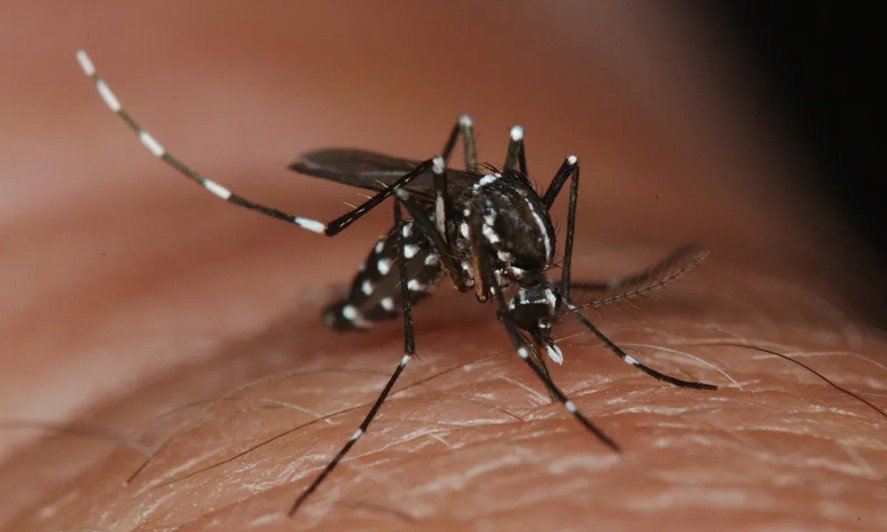
Why Plano’s Warm Winters Keep Mosquitoes Active Year-Round

Why Plano’s Warm Winters Keep Mosquitoes Active Year-Round

The first day of November is when most Plano residents expect relief from mosquitoes. Instead, they are brushing these lingering pests from their face through January and February. When temperatures drop, the buzz does not die; it takes a little nap, then returns with a 

Workout Tips for Weight Loss: What I Wish I Knew Earlier

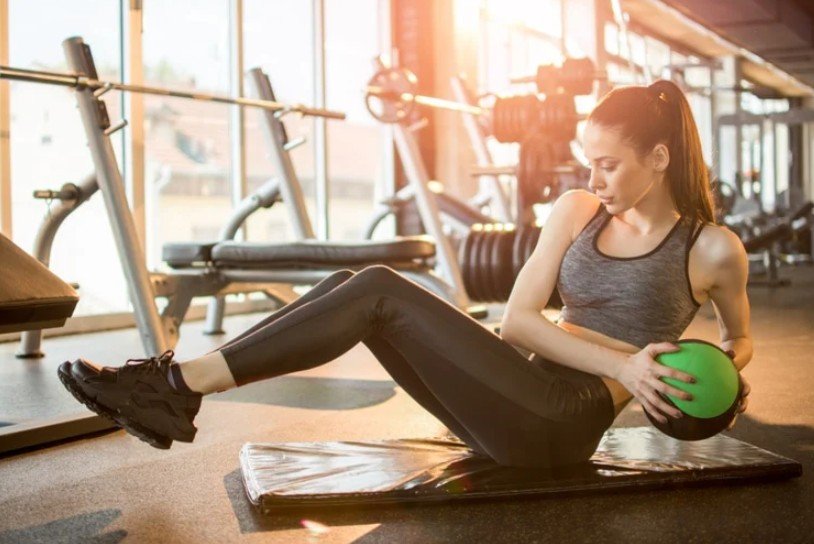
Workout Tips for Weight Loss: What I Wish I Knew Earlier

I’ve got to be honest with you…. when I first started working out for weight loss, I had no clue what I was doing. I thought the more I sweat, the more fat I burned. Spoiler alert: I was wrong. There were days I’d spend 

Fitness Tips for Beginners: Lessons I Wish Someone Told Me

Fitness Tips for Beginners: Lessons I Wish Someone Told Me

When I first decided to “get fit,” I thought it was going to be simple. Buy some new sneakers, hit the gym, maybe do a few pushups at home, and voilà—six-pack abs and endless energy, right? Ha. Not even close. My first three months of working out were honestly a disaster. I pushed too hard on the wrong exercises, skipped stretching because I thought it was a waste of time, and convinced myself that protein shakes were magic potions that would turn me into Superman overnight. Spoiler: they didn’t.

So if you’re just starting your fitness journey, let me be the friend who tells you the stuff I wish someone had told me earlier. These aren’t just generic “drink water, exercise daily” tips. They’re actual lessons, shaped from embarrassing mistakes, minor injuries, small victories, and a whole lot of trial and error.

  1. Start Slow (Seriously, Don’t Be a Hero)

I remember my first day at the gym—I went straight for the bench press because that’s what I saw all the “fit” people doing. My ego was bigger than my biceps. Within 10 minutes, I had loaded way too much weight and almost got pinned under the bar. A stranger had to help me rack it. Humiliating? Yes. Necessary wake-up call? Also yes.

If you’re a beginner, start small. Bodyweight exercises like squats, planks, push-ups, and lunges are more than enough. Your muscles, joints, and even your lungs need time to adapt. Think of fitness like building a house—you don’t start with the fancy rooftop pool; you lay the foundation first.

Pro tip: Follow the “10{fcf2d03e97975078ecbb7c9e21a6d757d42bad3870c46e45a620b9f0c8dbf54e} rule.” Increase your weight, reps, or workout intensity by no more than 10{fcf2d03e97975078ecbb7c9e21a6d757d42bad3870c46e45a620b9f0c8dbf54e} each week. Slow progress feels frustrating at first, but it keeps you injury-free—and nothing kills motivation faster than being sidelined for six weeks.

  1. Consistency Beats Intensity

Here’s the harsh truth: that one crazy-intense workout you did where you nearly fainted? It won’t do much if you don’t show up again tomorrow. I used to think sweating buckets in one workout would “cancel out” weeks of being lazy. Nope. Fitness doesn’t work like a bank account where you can make a massive deposit and chill. It’s more like brushing your teeth—small, consistent effort wins.

When I finally committed to just 30 minutes a day, five days a week, things started to change. Not overnight, but after two months, I noticed I wasn’t winded walking up stairs anymore. Three months later, my jeans felt looser. That’s the magic of consistency—it sneaks up on you.

  1. Form Over Everything

One of the dumbest mistakes I made was rushing through exercises without learning proper form. I’d see people cranking out sit-ups or bicep curls super fast, so I copied them. Guess what? I pulled a muscle in my lower back doing crunches. Yes, crunches.

Here’s the deal: form is more important than reps or weight. If your squat looks like you’re folding a lawn chair, it’s not helping you—it’s hurting you. Spend time watching tutorials (YouTube is gold for this), or better yet, book a single session with a trainer just to check your form.

Personal hack: Record yourself. I know, it feels awkward, but I found that watching my squats on video helped me catch mistakes I couldn’t feel in the moment.

  1. Don’t Ignore Nutrition (I Learned the Hard Way)

For the longest time, I treated exercise like it was the only piece of the puzzle. I’d smash a burger and fries after a workout because “I earned it.” In reality, I was undoing everything I just did in the gym.

Your body is like a car—if you put junk fuel in, don’t be surprised when it sputters. I’m not saying you need to count every calorie or eat plain chicken breast forever. But small changes make a huge difference. Swapping soda for water saved me around 200 calories a day. Adding one extra serving of veggies filled me up and cut down my snack cravings.

Beginner-friendly nutrition tips:

  • Prioritize protein: Eggs, chicken, beans, tofu—pick your favorite.
  • Stay hydrated: Aim for 2–3 liters of water daily.
  • Balance your plate: Half veggies, a quarter protein, a quarter carbs.
  • Don’t demonize carbs—they’re fuel, not the enemy.
  1. Rest Days Aren’t Lazy Days

This one took me a long time to accept. In my early fitness days, I thought rest days meant weakness. If I skipped the gym, guilt would eat me alive. But then I learned something: your muscles don’t actually grow in the gym. They grow when you rest.

Overtraining left me exhausted, cranky, and stuck in a plateau. Once I started taking rest days seriously—stretching, walking, maybe light yoga—my progress actually sped up.

Think of rest days as maintenance days for your body. You wouldn’t drive your car 24/7 without oil changes, right? Same concept.

  1. Track Your Progress (But Don’t Obsess)

I used to weigh myself every single morning. Bad idea. One day I was down two pounds, the next day up three, and it messed with my head. What I didn’t know is that weight fluctuates naturally because of water, hormones, or even salty food.

Instead, I started tracking non-scale victories. I wrote down how many push-ups I could do, how far I could run without stopping, or whether my clothes felt different. Those little wins kept me going when the scale lied to me.

My favorite method: Take progress photos every 4 weeks. At first you’ll hate the camera, but months later, you’ll see changes your mirror didn’t show.

  1. Find What You Actually Enjoy

Here’s a confession: I hate running. Everyone told me it was the “best” cardio, so I forced myself to jog every morning. I dreaded it. Surprise, I quit after three weeks.

Then one day I tried a boxing class, and I was hooked. Sweating, punching a heavy bag, loud music—it didn’t feel like torture. That was the moment I realized: the best workout is the one you enjoy enough to keep doing.

So try different things—dancing, hiking, swimming, cycling, even jump rope. Fitness isn’t one-size-fits-all. When you find the activity that makes you lose track of time, you’ve struck gold.

  1. Don’t Compare Your Chapter 1 to Someone Else’s Chapter 20

At the gym, I used to glance around and feel awful. That girl lifting twice my weight. That guy sprinting like an Olympian. I felt like a fraud. But here’s what clicked for me: everyone started somewhere. Even the fittest-looking person in the room once struggled with their first push-up.

Comparison kills motivation. Instead, compare yourself to who you were last month. Can you do one more rep? Can you walk a little farther without stopping? That’s progress, and it’s worth celebrating.

  1. Gear Doesn’t Make You Fit

I once spent $200 on fancy workout gear, convinced it would motivate me. The leggings were nice, sure, but they didn’t magically make me healthier. You don’t need a smartwatch, name-brand sneakers, or a home gym to get started.

Honestly, some of my best workouts happened in old sweatpants with a YouTube video playing on my phone. Start with what you have. If fitness sticks, then upgrade later.

  1. Motivation Will Fade—Discipline Keeps You Going

That “new year, new me” excitement? It dies fast. Trust me, I’ve abandoned more workout plans than I can count. The breakthrough came when I stopped waiting to “feel motivated” and started treating workouts like brushing my teeth. Non-negotiable.

Discipline doesn’t mean misery. It just means showing up even when you don’t feel like it. Some days my workout is 20 minutes of stretching and push-ups—that still counts. The point is: you keep the habit alive.

  1. Celebrate Small Wins

I’ll never forget the day I did my first proper pull-up. It took me six months of trying, failing, and swearing under my breath. When I finally did it, I almost screamed in the gym. That one tiny victory fueled me for weeks.

Celebrate your milestones—whether it’s running your first mile, doing 10 push-ups, or simply sticking with your routine for a month. These little victories pile up and keep the fire alive.

Final Thoughts: Your Fitness Journey is Yours

If you’re a beginner, I want you to remember this: fitness isn’t a race, and it’s definitely not about perfection. It’s about progress, patience, and learning to respect your body. Some days you’ll feel unstoppable, other days you’ll feel like skipping everything and ordering pizza. Both days are normal.

What matters is that you keep showing up, even in small ways. Build habits, learn from mistakes, and don’t be afraid to laugh at yourself along the way. If I can go from nearly dropping a barbell on my chest to actually enjoying my workouts, then trust me—you can too.

FAQ: Fitness Tips for Beginners

  1. What is the best workout for beginners?

There isn’t a single “best” workout because it depends on your goals and what you enjoy. But generally, beginners do well with a mix of cardio, strength training, and flexibility work. For example, 20 minutes of brisk walking, followed by bodyweight exercises like squats and push-ups, and finishing with 5–10 minutes of stretching is a solid routine. Start simple and build up from there.

  1. How many days a week should a beginner work out?

Most beginners see results with 3–4 days a week. The key is consistency, not perfection. Even short 20–30 minute sessions add up. If you’re just starting out, alternate workout days with rest or light activity (like walking or yoga) so your muscles can recover.

  1. How long does it take to see results from exercise?

This varies for everyone, but most beginners notice small changes in 4–6 weeks. You might first feel improvements in energy, mood, and stamina before you see physical changes. Visible results like fat loss or muscle tone usually show up around the 8–12 week mark, depending on your nutrition and consistency.

  1. Do I need a gym membership to get fit?

Nope! You can absolutely get fit at home. Bodyweight workouts, resistance bands, jump ropes, and even household items (like using a backpack filled with books as weights) work just fine. Gyms are helpful for variety, but they’re not required. The most important thing is sticking with the workouts, not where you do them.

  1. What should beginners eat for fitness?

Nutrition doesn’t have to be complicated. Focus on whole foods: lean proteins (chicken, fish, beans), complex carbs (brown rice, oats, sweet potatoes), healthy fats (avocado, nuts, olive oil), and plenty of fruits and vegetables. Don’t cut out carbs entirely—they’re your main energy source. And yes, drink water—lots of it.

  1. How do beginners avoid injury when exercising?

Two things: proper form and rest. Don’t rush through exercises, and don’t lift too heavy too soon. Warm up before every workout, stretch afterward, and listen to your body. If something hurts in a sharp or weird way, stop immediately. A little soreness is normal, sharp pain is not.

  1. Is cardio or strength training better for beginners?

Honestly, both are important. Cardio improves heart health and stamina, while strength training builds muscle and boosts metabolism. A good beginner routine usually combines both. For example, 20 minutes of walking or cycling plus 15 minutes of bodyweight strength training. Balance is key.

  1. What’s the biggest mistake beginners make?

Trying to do too much, too fast. I’ve been there—loading up the barbell, running miles when my body wasn’t ready, or going to the gym six days a week and burning out in two weeks. Start small, master the basics, and increase slowly. Consistency will always beat intensity in the long run.

  1. How can beginners stay motivated to work out?

Motivation comes and goes, so don’t rely on it. Instead, build habits. Set small, realistic goals (like “work out 3 times this week”), track progress with photos or journals, and celebrate small wins. Also, pick activities you actually enjoy. If you hate running, don’t run—try swimming, dancing, or hiking instead.

  1. Can beginners lose weight just by exercising?

Exercise helps, but weight loss is mostly about nutrition. You can’t outrun a bad diet (trust me, I tried). The best approach is a combination: move your body regularly and eat in a way that supports your goals. For beginners, start by cutting back on sugary drinks, processed snacks, and oversized portions. Small changes go a long way.

Fermented Foods in Australia: A Beginner’s Guide to Delicious Health

Fermented Foods in Australia: A Beginner’s Guide to Delicious Health

G’day, mates! Ever wondered about the buzz surrounding fermented foods? From the tangy zest of kimchi to the fizzy delight of kombucha, these foods are taking Australia by storm. But what exactly are they, and why should you care? This guide will walk you through 

NDIS Plan Manager: 5 Key Benefits You Need to Know

NDIS Plan Manager: 5 Key Benefits You Need to Know

Navigating the National Disability Insurance Scheme (NDIS) can feel like trying to find your way through a maze. There’s a lot to understand, from understanding eligibility to creating a plan that truly meets your needs. One aspect that often comes up is how to manage 

School First Aid Kits: Essential Supplies Every Australian School Needs

School First Aid Kits: Essential Supplies Every Australian School Needs

When we think of school essentials, we often picture books, laptops, sports gear, and uniforms. But one crucial item that deserves just as much attention is the school first aid kit. In Australian schools, where hundreds of students and staff interact daily, accidents and medical issues are inevitable — making the presence of quality school first aid supplies absolutely critical.

From minor playground injuries to more serious emergencies, being properly equipped and trained to respond swiftly can make all the difference.

Why First Aid Kits Are Non-Negotiable in Schools

Under Safe Work Australia guidelines, schools fall under the definition of workplaces and are legally required to provide adequate first aid facilities. This includes:

  • Clearly marked and fully stocked school first aid kits 
  • Trained staff capable of responding to medical incidents 
  • Kits tailored to the specific risks of the school environment 
  • Documented emergency procedures and regular reviews 

Beyond ticking regulatory boxes, this level of preparedness protects the wellbeing of students, staff, and visitors — and can prevent minor injuries from becoming major issues.

Tailoring School First Aid Kits to Your Environment

There’s no one-size-fits-all when it comes to school first aid supplies. Every school has its own risk profile based on student age groups, activities, and location.

  • Primary schools might focus on treating playground scrapes and insect bites. 
  • High schools with science labs, metalwork rooms, or kitchen programs require more comprehensive kits, including burn treatments and eye wash. 
  • Regional or remote schools may need items like snake bite bandages, tourniquets, or satellite communication tools for excursions. 

The goal? Make sure your school first aid kits reflect the real-world needs of your staff and students — not just generic lists.

How First Aid Kits Support Daily School Life

Kids are endlessly curious and energetic, which means accidents are bound to happen — from sprained ankles on the sports field to allergic reactions during lunchtime. Quick access to well-stocked school first aid supplies empowers staff to act immediately and appropriately.

But it’s not only about student care. Teachers, admin staff, parents, and contractors can all face unexpected medical issues while on campus. Having visible, accessible first aid kits across key areas of the school helps keep everyone safer and more supported.

What Should Be Included in a School First Aid Kit?

While needs vary, a comprehensive school first aid kit should generally include:

  • Adhesive bandages and sterile gauze pads 
  • Antiseptic wipes or spray 
  • Nitrile disposable gloves 
  • Instant cold packs 
  • Burn cream or hydrogel 
  • CPR face shield or mask 
  • Tweezers, scissors, and wound dressings 
  • Epipen and asthma inhaler (if approved under school policy) 
  • Emergency contact list and a first aid manual 

Each item should be checked for expiry, restocked after use, and stored securely but visibly. Some schools partner with professional suppliers to manage kit maintenance, while others designate staff for termly checks.

Why Ongoing Staff Training Is Critical

A fully stocked kit is only half the equation. Without the right training, it won’t serve its purpose. In Australia, schools are expected to ensure key personnel complete accredited first aid and CPR training — with regular refreshers.

Additional best practices include:

  • Running simulation drills tailored to school-specific risks 
  • Delivering pre-event briefings before camps or sports carnivals 
  • Encouraging peer-to-peer learning and real-world scenarios 

Fast, confident responses can make the difference between stabilising a situation and allowing it to escalate.

How Often Should First Aid Supplies Be Reviewed?

Australian heat, daily use, and time can all impact the effectiveness of your school first aid supplies. A good practice is to audit kits each term, with monthly reviews for schools with higher physical activity or outdoor exposure.

Kits should be located in all key areas, including:

  • Classrooms 
  • Administration offices 
  • Staff rooms 
  • Sports facilities 
  • Science and industrial classrooms 
  • School buses or excursion kits 

Equally important, emergency plans should be posted nearby, and all staff should know where each kit is located and how to access it.

Other Key Considerations for Australian Schools

Australia’s climate, geography, and diversity mean some schools face unique first aid needs:

  • Hot climates: Outdoor kits should be heat-resistant and regularly checked for degraded supplies. 
  • Wildlife: Schools near bushland may need snake bite bandages, insect sting treatments, or tick removal tools. 
  • Remote learning zones: Consider extended emergency kits and satellite communication devices for excursions or isolated campuses. 
  • Multicultural communities: Multilingual or visual first aid instructions can improve accessibility and understanding. 

Being aware of these factors makes your school’s first aid plan more inclusive, practical, and effective.

Why Preparedness Enhances Your School’s Reputation

Parents want assurance that their children are safe and well cared for — especially in emergencies. A school that takes school first aid supplies and staff training seriously sends a strong message to families: “We’re ready.”

On the flip side, mishandled medical incidents can harm a school’s reputation and community trust. Word spreads fast. Preparedness builds confidence — not only in your team but in your entire school environment.

Is Your School First Aid Ready?

If you’re not 100{fcf2d03e97975078ecbb7c9e21a6d757d42bad3870c46e45a620b9f0c8dbf54e} sure your kits are up-to-date, stocked, and backed by trained staff, now’s the time to act. School first aid kits aren’t just about compliance — they’re about care.

  • Conduct a full audit
  • Review emergency procedures
  • Train or refresh staff qualifications
  • Order quality-assured school first aid supplies

Partnering with a trusted supplier can simplify the process and ensure your kits are tailored to your school’s specific needs.

Final Thought: Safety Is a Daily Commitment

Investing in proper school first aid kits, regular training, and school-wide awareness isn’t a one-off task — it’s an ongoing promise to your students, staff, and wider community.

And it’s one that pays off, every day.