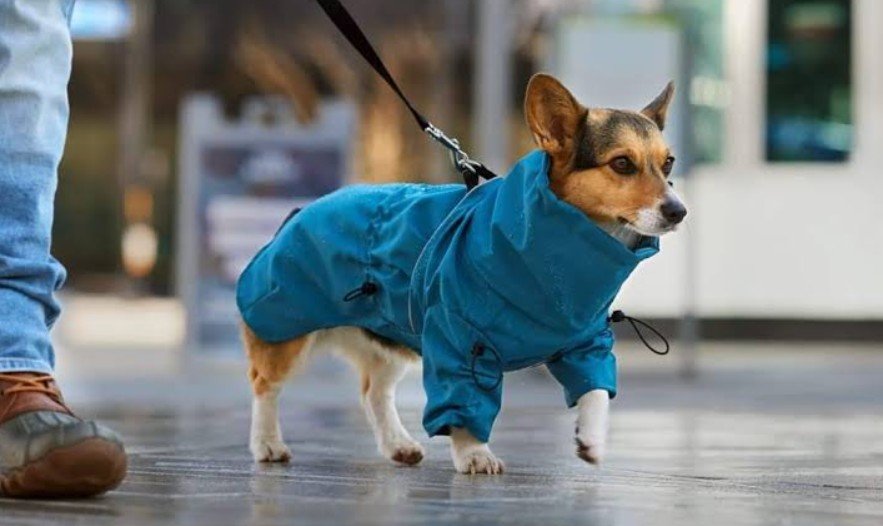
Pet Fashion That Puts Comfort and Safety First
A well-chosen coat, jumper or bandana can look charming on a pet, but appearance should come after comfort. Clothes can help some dogs stay warm, protect a healing area or make them easier to see on a walk. They can also cause stress, restrict movement or lead to overheating when they do not suit the animal or the conditions. Before adding a new piece to your pet’s wardrobe, think about what it is for and whether your pet is comfortable wearing it.
When clothing can help
Most healthy pets do not need a full wardrobe. Dogs with short coats, small bodies, low body fat or certain health conditions may feel the cold more keenly, and a suitable coat can help on chilly outings. Older animals or pets with limited mobility may also benefit from extra warmth, though clothing is not a substitute for veterinary care or a comfortable indoor environment.
In hot weather, the answer is not necessarily a lighter outfit. Thick or tight clothing can trap heat, and some pets are more vulnerable to overheating than others. Shade, fresh water and shorter walks during the coolest parts of the day are more dependable ways to reduce heat risk. If you are unsure whether your pet needs clothing for a medical or temperature-related reason, ask your veterinarian.
Other garments have a practical purpose. A properly fitted recovery suit may help prevent licking after a procedure, if recommended by a veterinary professional. High-visibility clothing can make a dog easier to spot in dim conditions, although it should not replace a lead, identification tag or careful supervision.
Choose fit over looks
Clothing should let your pet walk, sit, lie down and go to the toilet without difficulty. Measure according to the maker’s instructions, and check that seams, straps and fasteners do not rub the skin or press on the throat, chest or belly. A garment that is too loose can snag on branches or furniture; one that is too tight may limit movement or breathing.
Look closely at the design. Avoid dangling ties, loose embellishments, small detachable pieces and long cords that could be chewed or caught. Check for rough seams and stiff labels, especially if your pet has sensitive skin. For dogs, make sure the clothing does not interfere with a harness or collar. Cats generally have less need for clothes, and many find them restrictive; do not dress a cat unless there is a clear reason and the animal tolerates it.
Try a new item indoors for a short period while you supervise. Reward calm behavior, and let your pet approach and sniff the garment before putting it on. Never force an animal to wear something that causes obvious distress. Freezing in place, repeated attempts to remove the clothing, flattened ears, tucked posture, panting or unusual agitation are signs to take it off and reassess.
Watch for heat, discomfort and wear
Keep the first sessions brief. Check your pet’s skin after removing the garment for redness, dampness, knots in the coat or marks from pressure. Pay attention to behavior as well: a pet that moves differently, hides, scratches repeatedly or refuses to walk may be uncomfortable even if the outfit appears to fit.
Do not leave clothing on when your pet is unattended until you know it is safe and comfortable. Remove it for sleep unless a veterinarian has advised otherwise, and take it off promptly if it becomes wet, dirty or damaged. In warm conditions, watch for heavy panting, weakness, drooling or confusion. These can be signs of heat stress; move the animal to a cooler place and contact a veterinarian for guidance.
Keep accessories and grooming practical
Bandanas, bows and decorative collars need the same attention to fit and small parts as other clothing. An accessory should not obstruct vision, irritate the skin or catch on objects. Check it often, particularly if your pet likes to chew or scratch. Wash garments regularly using a pet-safe routine, and make sure they are completely dry before putting them back on.
Clothing can also hide problems beneath the coat. Continue regular grooming and inspect for parasites, skin irritation and mats. If a pet has a wound, rash or persistent itching, do not use clothing to cover it without advice from a veterinary professional. The underlying cause may need treatment, and covering the area could make it harder to monitor.
What responsible pet-fashion brands should consider
For people creating pet clothing or accessories, accurate sizing and clear care instructions matter as much as the design. Product descriptions should explain intended use, materials, measurement guidance and any limitations. Images can show how a garment sits on different body shapes, but should not imply that every animal will tolerate it. Plain-language safety information helps buyers make a better choice and sets realistic expectations.
Brands sharing advice with pet owners can also look for publishing outlets whose readers are genuinely interested in fashion, beauty and lifestyle. A directory of fashion guest-posting websites can help identify places to pitch useful, relevant articles rather than relying only on promotional posts. For a small team preparing a sizing guide, product photography or editorial content, a freelance marketplace such as Osdire offers access to specialists in writing, design, photography and other fields. Whatever the channel, practical guidance should come before sales claims.
A simple rule for pet owners
Pet fashion is at its best when it serves the animal. Choose clothing for a real purpose, check the fit, introduce it gradually and take it off if your pet seems uncomfortable. A comfortable pet does not need to wear an outfit to be well cared for; warmth, freedom of movement, grooming and close attention to their behavior are the priorities.
