Borobudur Sunrise Tour Experience: What You Need to Know Before Visiting Indonesia’s Iconic Temple
Introduction to the Borobudur Sunrise Experience
Watching the sunrise at Borobudur Temple is widely considered one of the most unforgettable travel experiences in Southeast Asia. As the first light of day slowly appears over the lush landscape of Central Java, the ancient stone structure begins to glow with golden hues, creating a magical atmosphere that feels both peaceful and spiritual.
Located near the cultural city of Yogyakarta, Borobudur is the largest Buddhist temple in the world and one of Indonesia’s most treasured historical landmarks. Built in the 8th and 9th centuries during the reign of the Sailendra Dynasty, the temple stands as a remarkable example of ancient engineering, artistic craftsmanship, and religious devotion.
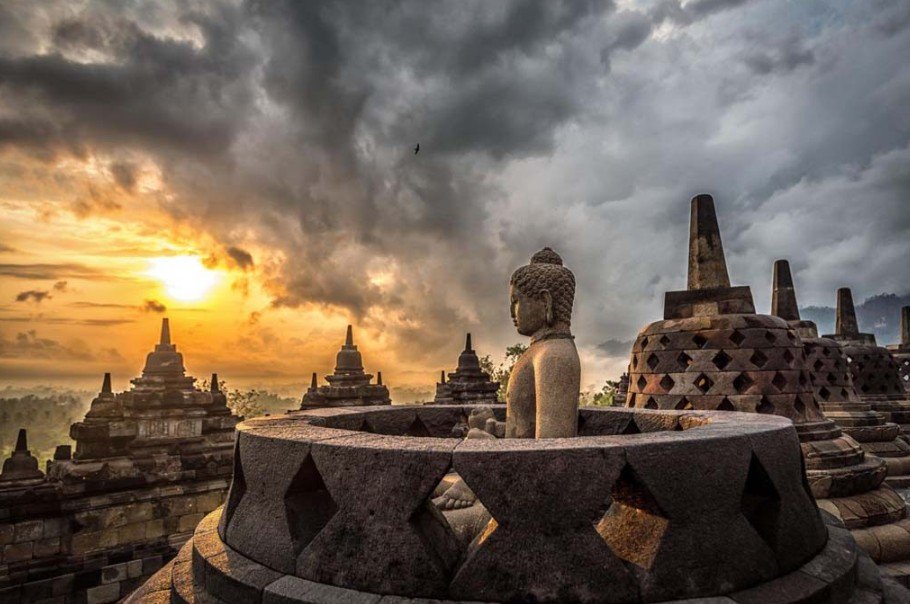
A sunrise tour offers visitors a completely different experience compared to visiting during the day. Arriving before dawn allows travelers to explore the temple in a quieter and more serene environment. As the sun rises behind the surrounding mountains and mist-covered forests, the iconic bell-shaped stupas of Borobudur create a breathtaking silhouette that photographers and travelers from around the world come to witness.
The early morning atmosphere adds a special sense of tranquility to the visit. With fewer crowds and cooler temperatures, the temple feels more sacred and contemplative. Many visitors describe the moment the sunlight touches the ancient stones as both inspiring and emotional.
In this guide, you will discover everything you need to know about the Borobudur sunrise tour. From the best time to visit and ticket information to practical travel tips and photography spots, this article will help you plan an unforgettable journey to one of Indonesia’s most iconic cultural heritage sites.
What Makes Borobudur Temple So Special
Borobudur Temple is not just an ancient monument; it is one of the most remarkable cultural and spiritual landmarks in the world. Located in Central Java, Indonesia, this magnificent temple complex represents centuries of religious devotion, artistic mastery, and architectural brilliance.
Built during the 8th and 9th centuries under the rule of the Sailendra Dynasty, Borobudur was designed as a giant mandala that reflects the Buddhist view of the universe. The temple is constructed with more than two million volcanic stone blocks, carefully arranged without modern cement or mortar. Even today, historians and engineers admire the precision and complexity of its construction.
One of the most fascinating aspects of Borobudur is its symbolic design. The structure consists of nine stacked platforms that represent the stages of spiritual enlightenment in Buddhist philosophy. Visitors begin their journey at the base of the temple and gradually walk upward through a series of terraces, each level symbolizing a step closer to achieving enlightenment.
The temple is also famous for its extraordinary artwork. Borobudur contains over 2,600 detailed relief panels and more than 500 Buddha statues, making it one of the largest collections of Buddhist sculptures in the world. These stone carvings tell stories from Buddhist teachings, including the life of Buddha and ancient moral lessons meant to guide followers on the path to wisdom.
Beyond its religious importance, Borobudur is also a masterpiece of ancient architecture. The temple’s upper levels feature dozens of bell-shaped stupas surrounding a massive central dome. From the top, visitors can enjoy panoramic views of the surrounding landscape, including lush forests, rice fields, and distant volcanic mountains.
Because of its historical and cultural value, Borobudur was designated a UNESCO World Heritage Site in 1991. This recognition highlights the temple’s global significance and ensures that it will be preserved for future generations.
Today, Borobudur continues to attract millions of visitors each year. Pilgrims, historians, photographers, and travelers from around the world come to experience its beauty, spiritual atmosphere, and incredible history. Whether viewed at sunrise or explored during the day, Borobudur remains one of the most awe-inspiring cultural treasures in Asia.
Why the Sunrise Tour Is the Most Popular Way to Visit
For many travelers, experiencing dawn at Borobudur Temple is the most magical way to explore this historic site. While the temple is impressive at any time of day, sunrise offers a unique atmosphere that makes the visit far more memorable.
One of the main reasons the sunrise tour is so popular is the spectacular view of the early morning light. As the sun slowly rises above the horizon, soft golden rays illuminate the temple’s ancient stone stupas and terraces. The surrounding valley often fills with morning mist, creating a dramatic and almost mystical scene that feels straight out of a postcard.
Another reason travelers choose the sunrise tour is the peaceful environment. During the day, Borobudur attracts large crowds of tourists from around the world. Visiting at sunrise allows you to experience the temple in a much quieter setting. The calm atmosphere makes it easier to appreciate the spiritual significance and architectural beauty of the monument.
The sunrise tour also offers excellent opportunities for photography. Early morning light provides ideal conditions for capturing stunning photos of the temple. The rows of bell-shaped stupas, with distant mountains in the background, create one of the most iconic landscapes in Indonesia. On clear days, visitors can even see the silhouette of Mount Merapi rising in the distance.
In addition, starting your visit early means you can explore the temple comfortably before the midday heat arrives. The cooler temperatures make walking through the terraces and climbing the temple levels more enjoyable.
Finally, the sunrise experience adds a sense of spiritual reflection to the visit. As the first light touches the ancient stone structures, many visitors feel a deep sense of calm and inspiration. It is easy to understand why this moment has become one of the most sought-after travel experiences in Indonesia.
For these reasons, the sunrise tour remains the most popular and rewarding way to visit Borobudur, offering a combination of natural beauty, cultural heritage, and unforgettable memories.
Where Borobudur Temple Is Located
Borobudur Temple is located in the Magelang Regency of Central Java, Indonesia. The temple sits in a scenic valley surrounded by lush green hills, rice fields, and volcanic mountains, creating one of the most beautiful cultural landscapes in Southeast Asia.
The monument lies about 40 kilometers northwest of Yogyakarta, a vibrant cultural city known for its traditional arts, royal heritage, and historic landmarks. Because of its proximity to Yogyakarta, most travelers choose to stay in the city and take a short trip to Borobudur for the sunrise tour.
The area around Borobudur is part of a region rich in history and natural beauty. Several important Buddhist temples are located nearby, including Mendut Temple and Pawon Temple. These temples are believed to be aligned with Borobudur and may have been part of a larger religious complex during ancient times.
Geographically, Borobudur is surrounded by impressive volcanic mountains. In the distance, visitors can see the majestic silhouette of Mount Merapi and Mount Merbabu. These natural landmarks create a dramatic backdrop, especially during sunrise when the mountains appear through the morning mist.
Reaching Borobudur is relatively easy for visitors. Most travelers arrive through Yogyakarta International Airport and then travel by car, private driver, or tour bus to the temple complex. The journey typically takes about one to one and a half hours, depending on traffic conditions.
Thanks to its accessible location and breathtaking surroundings, Borobudur Temple has become one of Indonesia’s most popular tourist destinations. Whether you are visiting for cultural exploration, photography, or spiritual reflection, its setting in the heart of Central Java makes the experience even more memorable.
What Time the Borobudur Sunrise Tour Starts
A typical sunrise visit to Borobudur Temple begins very early in the morning, long before the first light appears in the sky. Because the goal is to reach the temple before sunrise, most tours start in the middle of the night.
For travelers staying in Yogyakarta, hotel pickups usually take place between 3:30 AM and 4:00 AM. The journey to Borobudur takes around one to one and a half hours, depending on traffic and the exact location of your accommodation.
Once visitors arrive at the temple complex, they are guided toward the entrance area and then begin walking toward the temple terraces. Many tours aim to reach the upper levels of the temple by around 5:15 AM to 5:30 AM, just before the sunrise begins.
The actual sunrise typically occurs between 5:30 AM and 6:00 AM, depending on the time of year. During these moments, visitors gather at the top terraces of the temple to watch the sky gradually change colors as the sun rises over the surrounding mountains and valleys.
A common sunrise tour schedule often looks like this:
- 03:30 – 04:00 AM – Hotel pickup in Yogyakarta
- 05:00 AM – Arrival near Borobudur Temple
- 05:15 – 05:30 AM – Climb to the temple’s upper terraces
- 05:30 – 06:00 AM – Sunrise viewing experience
Because sunrise tours are extremely popular, booking your tour in advance is highly recommended. Many travelers choose guided packages that include transportation, entrance tickets, and sometimes breakfast after the sunrise.
Although waking up this early can feel challenging, most visitors agree that the breathtaking view of the sun rising over Borobudur makes the early start completely worthwhile. The quiet morning atmosphere, cool air, and stunning scenery create a once-in-a-lifetime travel experience.
Borobudur Sunrise Tour Ticket Information
If you are planning to join a sunrise visit at Borobudur Temple, it is important to understand the different ticket types and how the sunrise access works. Because this early morning experience is limited and highly popular, tickets are usually restricted and must often be booked in advance.
Special Sunrise Access Ticket
The Borobudur sunrise experience is considered a special activity ticket that allows visitors to enter the temple area before the regular opening hours. The program usually starts around 04:00 AM, giving visitors the opportunity to watch the sunrise from the temple complex in a peaceful environment before daytime crowds arrive.
The sunrise ticket normally includes several facilities such as:
- Early access wristband ticket
- Flashlight for walking in the dark
- Special temple sandals called Upanat
- Professional local guide
- Breakfast after the sunrise experience
These facilities help ensure visitors can safely explore the temple and enjoy the early morning atmosphere.
Sunrise Ticket Price
The official sunrise experience is more expensive than a standard daytime entry ticket because it offers exclusive early access and guided services. Current sunrise tickets are typically priced around IDR 1,000,000 per person, though some packages may start from around IDR 500,000 depending on the program or promotion.
Another important point is that the sunrise program is limited to about 100 visitors per day, making it a relatively exclusive experience compared to regular daytime visits.
Regular Borobudur Entrance Tickets
If you visit during normal opening hours instead of sunrise, ticket prices are significantly lower. For example:
- Foreign adult visitor ground access around IDR 375,000
- Foreign adult visitor including temple structure access around IDR 455,000
- Local visitor tickets are much cheaper and start from about IDR 50,000 for ground access.
These standard tickets do not include early morning access or sunrise viewing.
Booking Tips for Sunrise Tours
Because of limited availability, it is recommended to reserve sunrise tickets online or through a trusted tour operator several days in advance. Popular travel seasons and holidays can sell out quickly.
Arriving 30–45 minutes before the scheduled start time is also recommended to allow enough time for ticket validation and preparation before entering the temple area.
By planning your tickets ahead of time, you can ensure a smooth visit and fully enjoy the unforgettable experience of watching the sunrise over one of the world’s greatest cultural monuments. 🌅
Step-by-Step Borobudur Sunrise Tour Experience
Experiencing sunrise at Borobudur Temple is more than just watching the sun rise. It is a carefully planned journey that begins before dawn and gradually unfolds into one of the most memorable travel moments in Indonesia. Below is a typical step-by-step experience of what visitors can expect during a Borobudur sunrise tour.
- Early Morning Hotel Pickup
The journey usually begins very early in the morning. If you are staying in Yogyakarta, most tours will pick you up from your hotel between 3:30 AM and 4:00 AM.
The drive to Borobudur takes about one to one and a half hours, depending on traffic. During this quiet early morning ride, travelers pass through peaceful villages and dark countryside landscapes as they head toward the temple complex.
- Arrival at the Borobudur Complex
Upon arrival, visitors usually check in at the entrance area where sunrise tickets are verified. Tour guides may also provide important information about safety, temple rules, and the schedule for the sunrise viewing.
Because the area is still dark before dawn, some tours provide flashlights or small lamps to help visitors walk safely through the pathways.
- Walking Toward the Temple
After entering the complex, visitors begin walking toward the massive stone structure of Borobudur. Even in the darkness, the silhouette of the temple can already be seen rising above the surrounding trees.
The peaceful atmosphere and cool morning air make this moment feel calm and mysterious.
- Climbing the Temple Terraces
Next, visitors climb the temple’s ancient stone steps to reach the upper levels. The temple consists of several terraces that represent stages of spiritual enlightenment in Buddhist philosophy.
As travelers move upward through the levels, they begin to see rows of iconic bell-shaped stupas that surround the temple’s upper platform.
- Waiting for the Sunrise
Once visitors reach the top terraces, they gather at the best viewing spots and wait for the sunrise. At this time, the sky slowly begins to change color, shifting from deep blue to purple, pink, and orange.
The quiet atmosphere adds to the sense of anticipation as travelers watch the horizon.
- The Magical Sunrise Moment
Finally, the sun appears above the distant mountains, illuminating the temple and surrounding landscape. The golden light spreads across the stone stupas, creating one of the most famous views in Southeast Asia.
On clear days, visitors may even see the silhouette of Mount Merapi in the distance, rising above the misty valley.
This breathtaking moment is often the highlight of the entire trip.
- Exploring the Temple After Sunrise
After the sunrise, visitors usually have time to walk around the upper terraces and explore the temple more closely. This is a great opportunity to admire the detailed relief carvings and ancient Buddha statues that decorate the structure.
The morning light also provides excellent conditions for photography.
- Breakfast and Return Journey
Many sunrise tours end with a breakfast at a nearby restaurant or hotel overlooking the temple area. Travelers can relax, enjoy traditional Indonesian food, and reflect on the unforgettable experience they just witnessed.
After breakfast, visitors typically return to Yogyakarta or continue exploring nearby attractions around Borobudur.
Following this step-by-step journey allows travelers to fully appreciate the beauty, history, and spiritual atmosphere of Borobudur at the most magical time of day.
Photography Tips for Capturing the Perfect Sunrise
Photographing sunrise at Borobudur Temple is a dream for many travelers and photographers. The combination of ancient stone stupas, soft golden light, and misty mountain landscapes creates a truly breathtaking scene. However, capturing the perfect sunrise photo requires a bit of preparation and the right techniques.
Here are some practical photography tips to help you capture stunning sunrise images during your visit.
- Arrive Early to Secure the Best Spot
The most iconic photos of Borobudur are taken from the upper terraces where the bell-shaped stupas form beautiful silhouettes against the sunrise. Because these spots are very popular, it is important to arrive early and find a good position before the sky starts to brighten.
Early arrival also gives you time to set up your camera and experiment with angles before the best light appears.
- Use a Wide-Angle Lens
A wide-angle lens is ideal for capturing the grandeur of the temple and its surroundings. It allows you to include multiple stupas in the frame along with the colorful sunrise sky.
Wide lenses also help capture the vast landscape that surrounds the temple, including distant mountains like Mount Merapi.
- Use a Tripod for Stability
Sunrise photography often requires slower shutter speeds because the lighting is still low. Using a tripod helps keep your camera stable and prevents blurry images.
A tripod also allows you to take long exposure shots, which can capture the soft colors of the early morning sky more clearly.
- Adjust Your Camera Settings
To capture the best sunrise photos, try using these general camera settings:
- Low ISO (100–200) for better image quality
- Small aperture (f/8 to f/11) for sharp landscapes
- Slower shutter speed depending on lighting conditions
These settings help balance the bright sunrise with the darker foreground elements of the temple.
- Capture Silhouettes of the Stupas
One of the most iconic Borobudur photos features the stupas as dark silhouettes against the colorful sunrise sky. To achieve this effect, position the sun behind the stupas and slightly underexpose the image.
This technique emphasizes the temple’s unique shapes and creates dramatic contrast.
- Look for Creative Angles
While the main terrace views are popular, some of the most unique photos come from experimenting with different angles. Try photographing through the openings of the stupas or framing the sunrise between temple structures.
Changing perspectives can result in more artistic and memorable images.
- Be Ready for Changing Light
Sunrise lighting changes quickly. The colors of the sky can shift from deep blue to orange and gold within minutes. Stay ready with your camera and take multiple photos as the light evolves.
Some of the best shots often happen just before or just after the sun appears above the horizon.
- Respect the Temple and Other Visitors
While focusing on photography, remember that Borobudur is a sacred cultural site. Avoid climbing on structures or blocking pathways for other visitors.
Being respectful ensures everyone can enjoy the peaceful sunrise experience.
With the right preparation and a bit of patience, photographing sunrise at Borobudur can result in truly spectacular images. The magical combination of ancient architecture, natural light, and dramatic landscapes makes it one of the most photogenic destinations in the world.
Best Time of Year to Visit Borobudur for Sunrise
Choosing the right time of year can make a big difference when planning a sunrise visit to Borobudur Temple. Weather conditions, visibility, and tourist crowds all affect the overall experience. While Borobudur is open year-round, certain months provide better chances of seeing a clear and beautiful sunrise.
Dry Season: May to September
The dry season is generally considered the best time to visit Borobudur for sunrise. During these months, Central Java experiences lower rainfall and clearer skies, which greatly improves visibility.
Clear mornings mean visitors have a better chance of seeing the sun rise above the surrounding mountains, including the impressive silhouette of Mount Merapi.
Advantages of visiting during the dry season include:
- Higher chance of clear sunrise views
- Comfortable temperatures in the early morning
- Better lighting for photography
- Lower humidity levels
Because of these ideal conditions, this period is also the peak tourist season, so sunrise tickets may sell out quickly.
Rainy Season: October to April
The rainy season in Central Java typically runs from October to April. While rain showers are more common during this period, sunrise visits can still be rewarding.
Clouds and morning mist often create dramatic and atmospheric scenery around the temple. Photographers sometimes prefer these conditions because the fog can make the temple appear to float above the landscape.
However, visitors should be aware of:
- Higher chances of cloudy skies
- Possible rain showers
- Reduced visibility of distant mountains
Despite these challenges, the rainy season usually has fewer tourists, which can make the sunrise experience quieter and more peaceful.
Best Months for Sunrise Photography
For travelers hoping to capture stunning sunrise photos, many photographers recommend visiting between June and August. These months often provide a balance of clear skies, cooler morning temperatures, and beautiful golden light over the temple.
Weekdays vs Weekends
In addition to the season, the day of the week can also influence your experience. Weekdays are generally less crowded than weekends and public holidays, giving visitors more space to enjoy the sunrise and take photos.
Final Tip for Planning Your Visit
Because sunrise conditions can change quickly, it is always helpful to check the local weather forecast before your trip. Even on cloudy mornings, the experience of watching dawn break over this ancient monument remains unforgettable.
No matter when you visit, witnessing the sunrise at Borobudur offers a magical combination of natural beauty, cultural history, and peaceful reflection.
Frequently Asked Questions About Borobudur Sunrise Tours
Many travelers planning a visit to Borobudur Temple often have questions about the sunrise tour experience. Below are some of the most common questions and helpful answers to make your trip easier and more enjoyable.
- Is the Borobudur Sunrise Tour Worth It?
Yes, the Borobudur sunrise tour is widely considered one of the most unforgettable travel experiences in Indonesia. Watching the first light of the day illuminate the ancient stupas while the surrounding valley fills with morning mist creates a magical and peaceful atmosphere that is very different from daytime visits.
Many travelers say the early wake-up is completely worth it for the stunning views and unique experience.
- How Early Do You Need to Wake Up for the Tour?
Most sunrise tours start very early. If you are staying in Yogyakarta, hotel pickup usually happens between 3:30 AM and 4:00 AM.
This allows enough time to reach the temple and climb to the upper terraces before the sunrise begins.
- Do You Need to Book Sunrise Tickets in Advance?
Yes, it is highly recommended to book your sunrise tickets in advance. The number of visitors allowed during early morning access is limited to protect the temple and ensure a peaceful experience.
During peak travel seasons, sunrise tours can sell out quickly.
- Can You Visit Borobudur Without a Tour?
Yes, visitors can explore Borobudur independently during normal opening hours. However, for the sunrise experience, many travelers choose guided tours because they include transportation, tickets, and a guide who explains the temple’s history and symbolism.
- What Should You Wear for a Sunrise Tour?
Comfortable clothing and shoes are recommended because you will be walking and climbing several stone steps. Since early mornings can be cool, bringing a light jacket is also a good idea.
Visitors should also dress respectfully, as Borobudur is an important religious and cultural site.
- How Long Does a Borobudur Sunrise Tour Last?
Most sunrise tours last about 6 to 8 hours. The schedule usually includes transportation from Yogyakarta, the sunrise viewing experience, time to explore the temple after sunrise, and sometimes breakfast before returning to the city.
- Is Borobudur Suitable for Families and Children?
Yes, Borobudur is generally suitable for families. However, parents should note that the early start time and the temple’s steep steps may be challenging for very young children.
Families visiting with kids may prefer a private tour for greater flexibility.
- What Happens If the Sunrise Is Cloudy?
Weather conditions can sometimes block the sunrise view. Even on cloudy mornings, many visitors still enjoy the peaceful atmosphere, cool temperatures, and the chance to explore the temple before large crowds arrive.
Sometimes the mist and clouds even create a mysterious and dramatic landscape around the temple.
These frequently asked questions help travelers prepare for their visit and ensure they have a smooth and memorable sunrise experience at one of Indonesia’s most iconic cultural landmarks.
