Health and Beauty Spa: What I’ve Learned After Years of Watching People Try to “Relax”
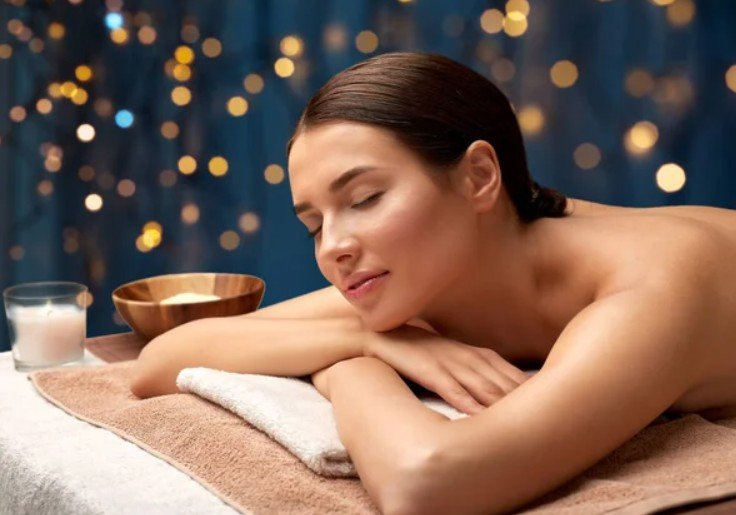
I’ve spent a good chunk of my adult life around health and beauty spas, and not just as someone lying on a massage table pretending not to snore. I’ve helped friends open small spas, consulted on content for spa websites, and honestly made a ton of mistakes along the way when it came to wellness treatments, skincare routines, and even basic relaxation habits.
Back then, I thought a spa was just a fancy place for massages and cucumber water. Turns out, that thinking was way too shallow, and I paid for it with wasted money, irritated skin, and some awkward conversations with estheticians who clearly knew more than I did.
This article is me sharing what actually matters about health and beauty spas, from real experiences, screw-ups, and little wins that added up over time.
What a Health and Beauty Spa Really Is (And What It Isn’t)
A health and beauty spa is not just a luxury playground for rich people with too much time. I used to believe that, and yeah, it stopped me from taking wellness seriously for years.
At its core, a proper spa focuses on physical health, skin health, stress reduction, and mental balance, all working together. Massage therapy, facials, body treatments, hydrotherapy, and even nutrition advice are often part of the ecosystem.
What it isn’t, though, is a miracle cure. I learned the hard way that no facial on earth can undo months of bad sleep and junk food, no matter how expensive it is.
My First Big Spa Mistake: Chasing Trends Instead of Results
I remember my first “serious” spa visit. I booked whatever treatment sounded the fanciest, something with gold flakes and oxygen infusion, because the brochure made it look life-changing.
The result was… fine. Not bad, but not amazing either, and definitely not worth the price I paid.
Later, a seasoned spa therapist explained something that stuck with me. Treatments should be chosen based on skin type, stress levels, and health goals, not marketing buzzwords. That advice alone saved me hundreds over the years.
How Health and Beauty Spas Support Real Wellness
One thing people don’t talk about enough is how much stress management matters. Chronic stress shows up on your skin, your posture, and even your digestion, and spas are one of the few places that actively address it.
Regular massage therapy helps improve blood circulation and reduce muscle tension. Facial treatments, when done correctly, support skin barrier function and collagen production. Even basic aromatherapy can influence mood and sleep quality.
I’ve seen people walk into a spa tight and grumpy, then leave moving slower, breathing deeper, and smiling for no obvious reason. That part never gets old.
Massage Therapy: More Than Just Feeling Good
For a long time, I thought massages were just about relaxation. That was a rookie assumption.
A licensed massage therapist once explained how different techniques target different outcomes. Swedish massage focuses on relaxation and circulation, while deep tissue massage addresses chronic muscle pain and adhesions. Hot stone massage can help with stiffness, especially in colder climates.
I learned quickly that communication matters. If you don’t say what hurts or what doesn’t feel right, the session suffers, and yeah, that one’s on you.
Choosing the Right Massage for Your Body
Not all bodies respond the same way. I made the mistake of booking deep tissue sessions back-to-back, thinking “more pressure equals more benefit.”
Wrong. I ended up sore for days, and not in a productive way. Spacing sessions and mixing techniques turned out to be much smarter.
Skincare Lessons I Only Learned at a Spa
I’ll admit it, I used to over-cleanse my face. Twice a day with harsh products, because I thought squeaky clean meant healthy.
An esthetician gently corrected me, and probably saved my skin barrier in the process. Professional facials aren’t just pampering; they’re educational if you pay attention.
A good facial includes cleansing, exfoliation, extraction when necessary, hydration, and protection. The goal isn’t instant glow only, but long-term skin health.
Understanding Your Skin Type (Finally)
I spent years thinking I had oily skin, when it was actually dehydrated. That misunderstanding led to breakouts and irritation that could’ve been avoided.
Health and beauty spas often perform skin analysis, sometimes with diagnostic tools, and that info is gold. Once I adjusted my routine based on real data, not guesses, things improved fast.
Body Treatments That Actually Make a Difference
Body scrubs, wraps, and detox treatments sound indulgent, and yeah, some of them are mostly about relaxation. But others serve a purpose.
Exfoliating body treatments improve circulation and help with product absorption. Clay or seaweed wraps can temporarily reduce water retention, which feels nice even if it’s not permanent fat loss.
I once expected a body wrap to magically change my body shape. It didn’t. But it did make my skin smoother and helped me feel more comfortable in my own skin, which still counts.
The Role of Hygiene and Safety in a Quality Spa
This part doesn’t get enough attention, and it should. Cleanliness is not optional in a health and beauty spa.
I walked out of one spa immediately after noticing reused tools and poor sanitation practices. Trust your instincts here, because infections and skin reactions are no joke.
Professional spas follow strict hygiene protocols, including tool sterilization, clean linens, and licensed practitioners. If a spa cuts corners on cleanliness, it probably cuts corners elsewhere too.
Why Consistency Beats One-Time Treatments
One mistake I see people make is treating spa visits like rare indulgences. That’s understandable, but not optimal.
Skin and muscle health respond better to consistent care. Monthly facials, periodic massages, and regular stress management routines create cumulative benefits.
I noticed real changes only after sticking to a schedule, even if the treatments were simpler. Fancy doesn’t always win, consistency does.
Mental Health Benefits That Surprised Me
I didn’t expect the mental health impact to be so noticeable. Quiet rooms, gentle music, and intentional breathing slow the nervous system down.
Over time, I became more aware of my body signals, like tension buildup and shallow breathing. That awareness spilled into daily life, helping me manage stress outside the spa.
No, a spa doesn’t replace therapy. But it complements mental wellness in a way that feels accessible and non-threatening.
Nutrition and Lifestyle Advice from Spa Professionals
Some spas offer wellness consultations, and those can be surprisingly practical. I expected vague advice, but got clear suggestions instead.
Things like increasing water intake after treatments, spacing caffeine away from massage sessions, and adjusting sleep routines made noticeable differences.
It wasn’t about strict diets or extreme detox plans. It was about sustainable habits that support the treatments you’re paying for.
Common Myths About Health and Beauty Spas
One big myth is that spas are only for women. That idea is outdated and honestly harmful.
I’ve seen men benefit just as much from massage therapy, skincare treatments, and stress management programs. Skin is skin, muscles are muscles.
Another myth is that spa treatments are all cosmetic. Many are therapeutic, medically informed, and backed by research when done correctly.
How to Choose the Right Health and Beauty Spa
This took me years to get right. Location and price matter, sure, but expertise matters more.
Look for licensed staff, transparent pricing, clear treatment descriptions, and honest consultations. Reviews help, but personal referrals are even better.
If a spa pushes expensive add-ons aggressively, that’s usually a red flag. Education should come before upselling.
Questions I Always Ask Before Booking
I ask about the therapist’s experience, treatment customization, and hygiene practices. If the answers are vague, I move on.
A good spa welcomes questions. Defensive behavior usually means something’s off.
Aging, Prevention, and Realistic Expectations
Aging is not the enemy, and spas shouldn’t sell that narrative. I’ve grown skeptical of “anti-aging” promises that sound too good.
What spas can realistically offer is skin maintenance, muscle recovery, and stress reduction, all of which support healthy aging.
Once I shifted my expectations from reversing time to supporting my body, spa treatments felt more satisfying and honest.
The Emotional Side of Self-Care
This part surprised me the most. Taking time for self-care often brings up emotions, not just relaxation.
I’ve had moments during massages where stress I didn’t realize I was carrying just… released. It was awkward, but also kind of freeing.
Health and beauty spas create a safe space for that, when done right. That emotional release is part of the healing process, even if nobody puts it in the brochure.
What I’d Tell Anyone New to Health and Beauty Spas
Start simple. Don’t chase trends. Ask questions and listen to professionals.
Treat spa care as part of a broader wellness strategy, not a shortcut. Drink water, sleep better, and move your body between visits.
Most importantly, don’t feel guilty for investing in your well-being. I waited too long to learn that lesson, and yeah, I regret that part.
Final Thoughts on Health and Beauty Spas
Health and beauty spas are not magic, but they’re powerful tools when used wisely. They support skin health, physical recovery, stress management, and emotional balance in ways few other environments do.
I’ve made mistakes, wasted money, and misunderstood the purpose of spa care before finally getting it right. And honestly, that learning curve was worth it.
If you approach a health and beauty spa with curiosity, realistic expectations, and consistency, the benefits add up over time. Not overnight, but steadily, and that’s usually how the good stuff works anyway.
